 Foto: Thomas Fuhrmann, CC BY-SA 4.0, Wikimedia Commons
Marokko zu Fuss und am Fels: der Atlas, die Schluchten und eine Nacht in der Sahara
Elf Tage von Marrakesch nach Fes: ein Wandertag im Hohen Atlas, das Dadès-Tal zu Fuss, ein Morgen Klettern in der Todra-Schlucht, zwei Nächte am Rand der Dünen des Erg Chebbi und die alte Medina von Fes. Entstanden aus einer Reise, die zwei Freunde von uns im Mai 2025 gemacht haben, ohne die langen Autofahrten.
Tag 1 · Marrakesch
Hinein in die Medina, und der Platz in der Abenddämmerung
Anreise
Nach Marrakesch gibt es Direktflüge aus der Schweiz und aus fast allen europäischen Städten, etwa drei Stunden ab Zürich oder Genf.
- Autos kommen nicht in die alte Medina: Der Riad schickt einen Fahrer zum Flughafen und einen Träger mit Karren für die letzten Gassen
- Hol dir am Flughafen am Bancomat Dirham, bevor du losfährst; ausserhalb Marokkos ist der Dirham kaum zu bekommen
Bargeld und Trinkgeld
Trinkgeld wird in Marokko erwartet, das ist der erste Tipp unserer Freunde an alle, die hinfahren. Etwa 10% im Restaurant, 20 bis 25 Dirham für die Helferin oder den Helfer im Hammam, ein paar Münzen für alle, die beim Gepäck helfen, und etwas mehr für Guides und Fahrer am Ende eines Tages. Hab immer eine Tasche voll Münzen dabei: Viele kleine Orte nehmen nur Bargeld.
Hier übernachtest du
Riad Kniza, Bab Doukkala: ein Haus aus dem 18. Jahrhundert in der Medina, von einem Antiquitätenhändler mit lokalen Handwerkern restauriert, mit elf Zimmern und Suiten, einem Pool und einem kleinen Spa.
- Im ruhigeren Norden der Medina, 15 Minuten zu Fuss vom Hauptplatz

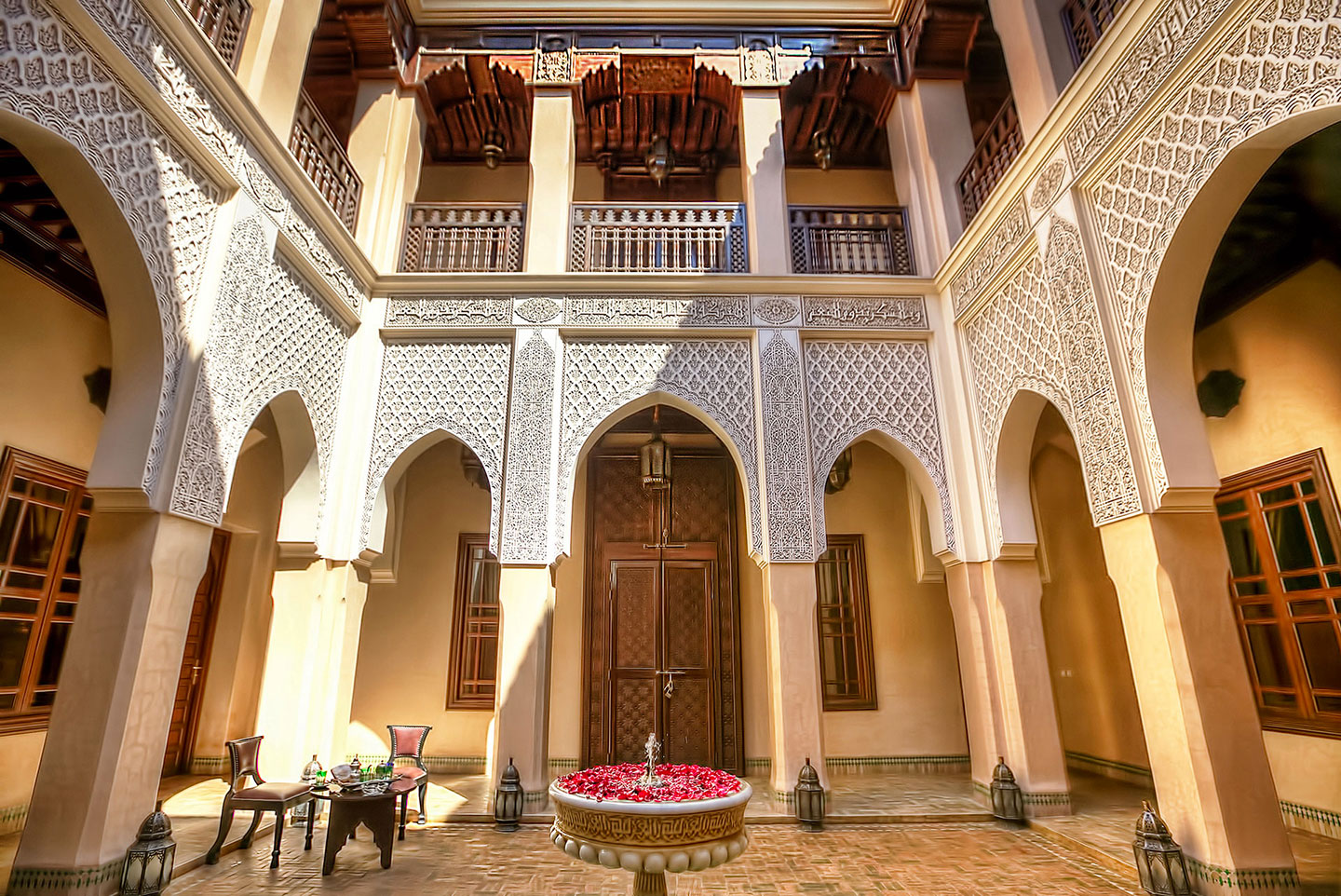
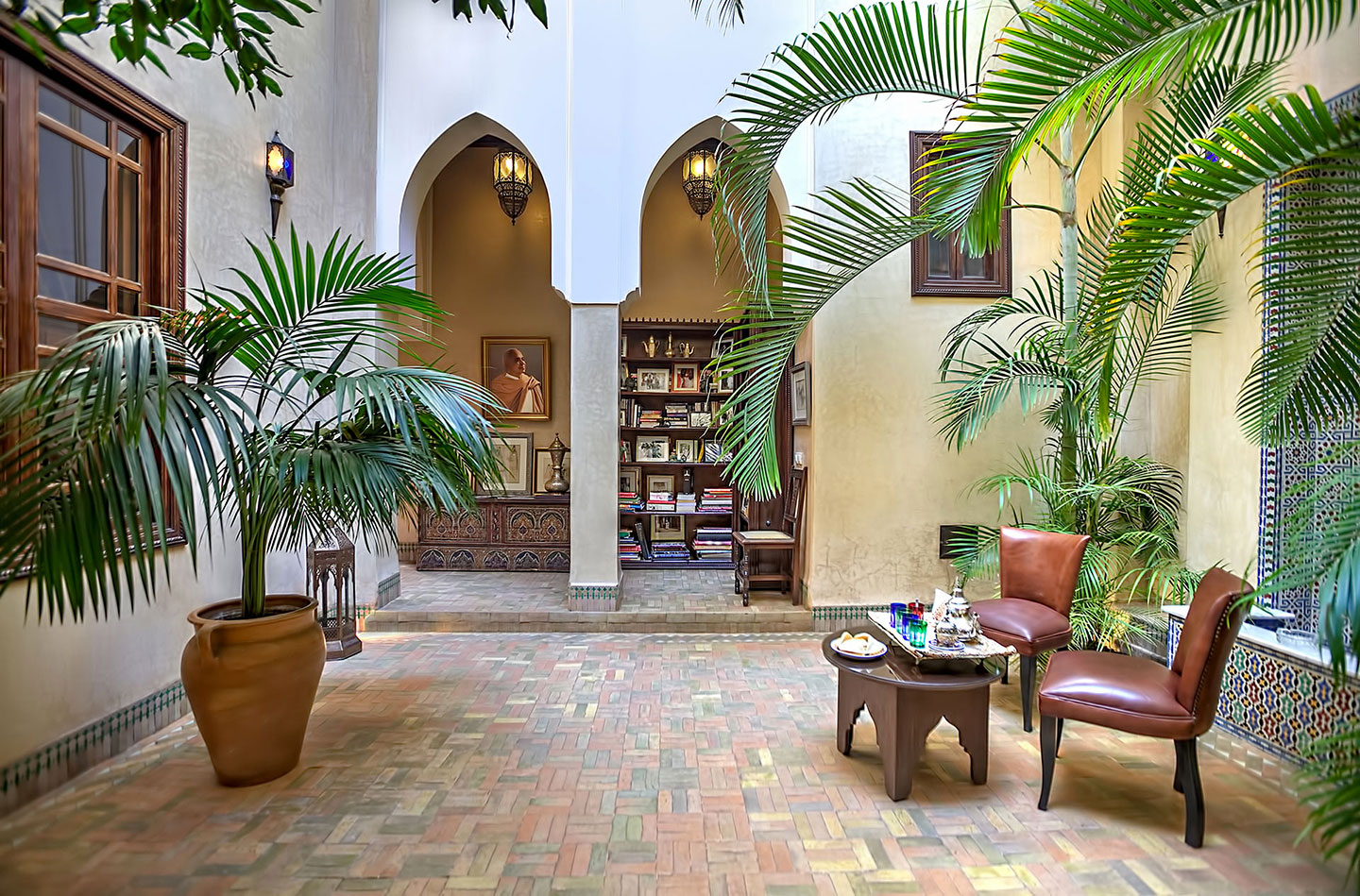
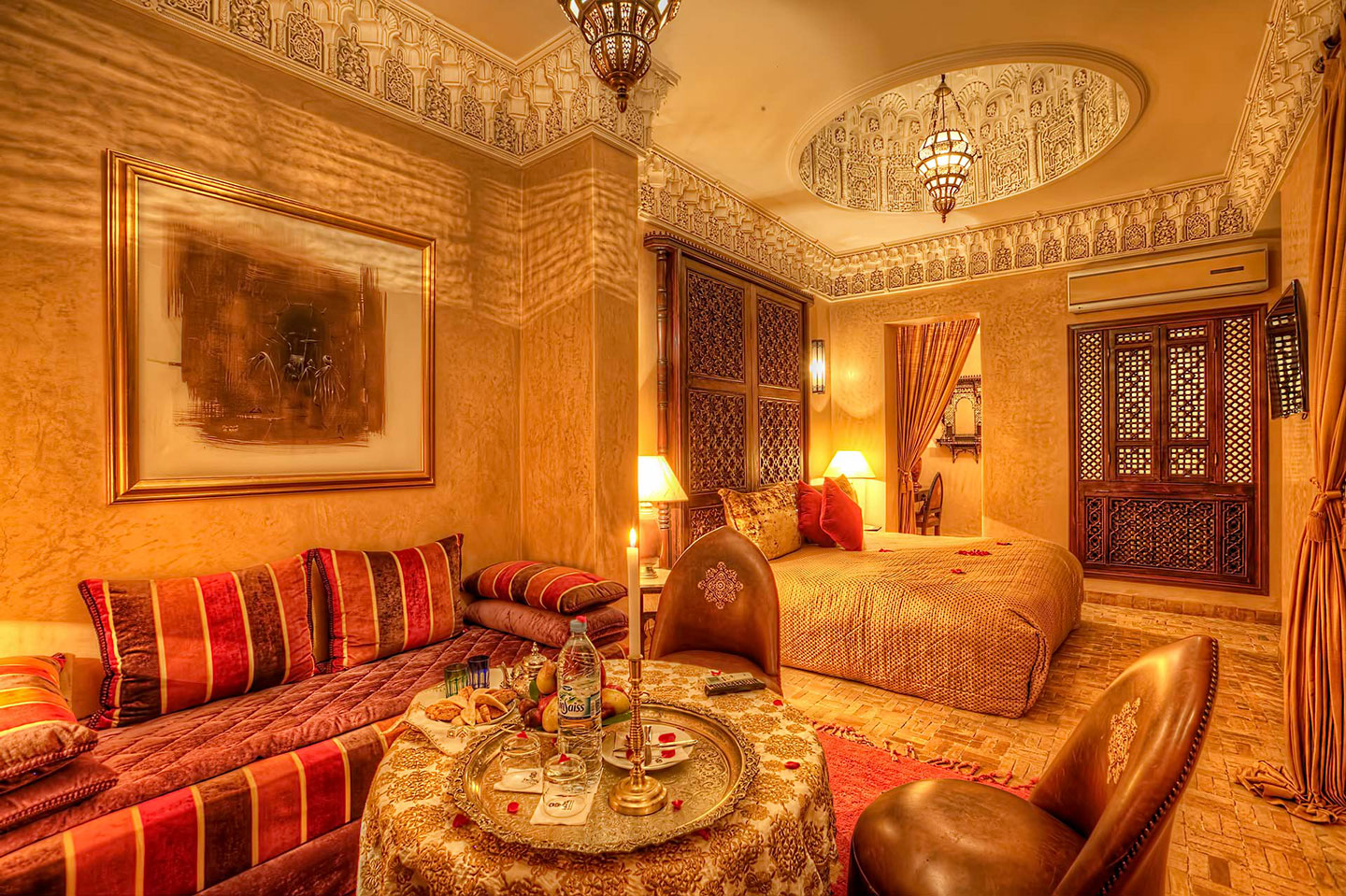
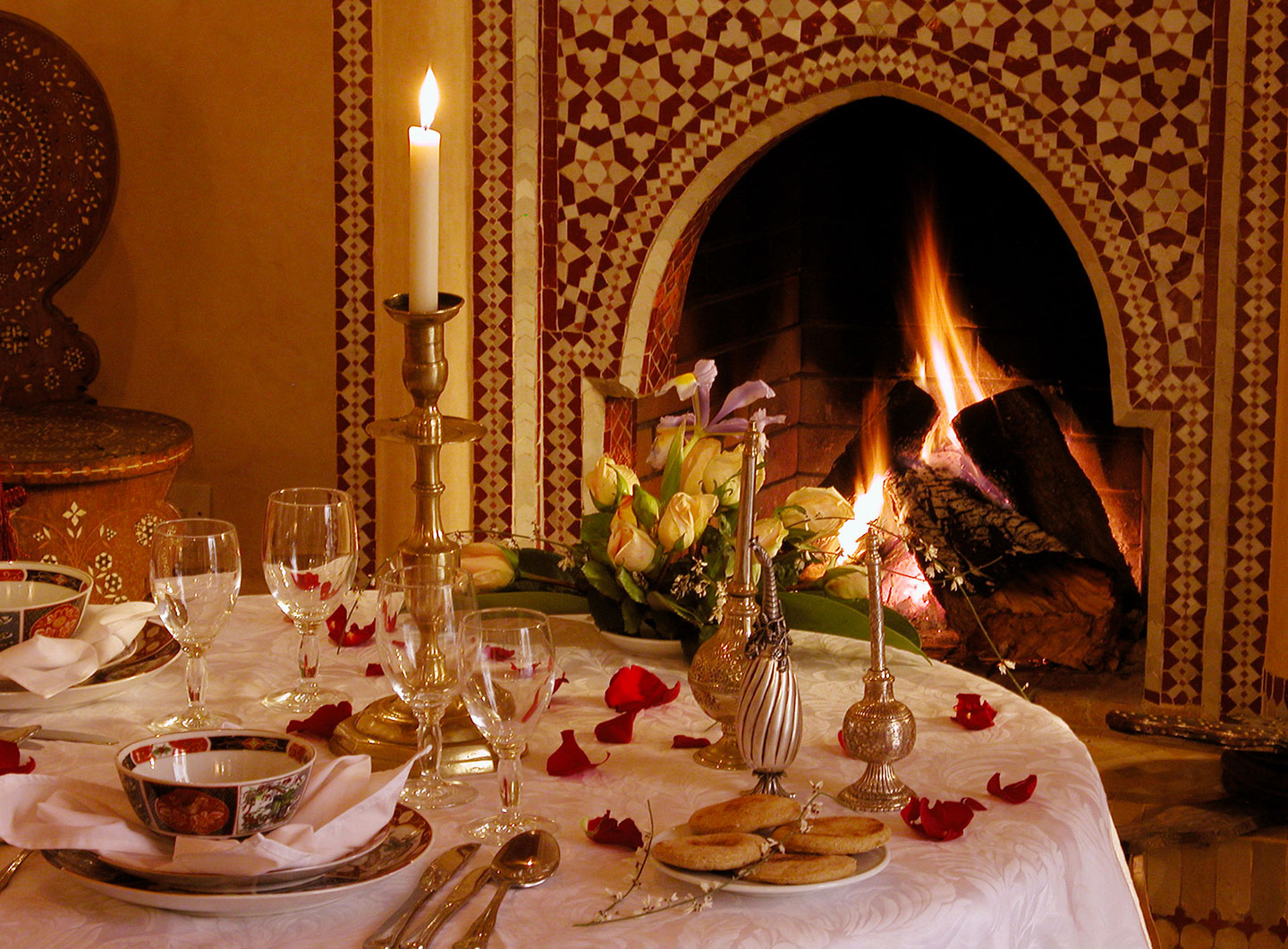
Fotos: riadkniza.com
Der Abend
Jemaa el-Fnaa bei Sonnenuntergang: Die Essensstände werden aufgebaut, die Musiker fangen an, und der ganze Platz füllt sich mit Rauch und Lärm.
- Schau ihn dir zuerst von einer Café-Terrasse über dem Platz an, dann geh mitten hinein
- Schlangenbeschwörer und Männer mit Affen verlangen Geld für ein Foto: Lass die Kamera unten, wenn du nicht zahlen willst

Fotos: Wikimedia Commons (Herokk; CC BY-SA 4.0)
Tag 2 · Marrakesch
Die Souks mit einem Guide, dann Hammam und Henna
Der Vormittag
Die Souks mit einem lizenzierten Guide, über den Riad gebucht: die Handwerkerviertel, die Medersa Ben Youssef und der Bahia-Palast, etwa vier Stunden.
- Ein Morgen mit Guide, und die Medina ergibt für den Rest der Reise Sinn
- Sag Nein, wenn dir jemand auf der Strasse erzählt, eine Gasse sei gesperrt, oder dir den Weg zeigen will: Es endet in einem Laden, der ihm eine Provision zahlt
- Wenn du etwas kaufen willst, komm später allein zurück und fang bei etwa der Hälfte des ersten Preises an


Fotos: Wikimedia Commons (Petar Milošević, CC BY-SA 4.0; DimiTalen, CC0)
Der Nachmittag
Les Bains Kenaria, Riad Zitoun el Kdim: ein Hammam mit warmem Becken, heissem Dampfraum und einem Peeling mit schwarzer Seife, danach auf Wunsch eine Massage.
- Der liebste Nachmittag unserer Freunde auf der ganzen Reise
- Reserviere am Vortag eine Zeit
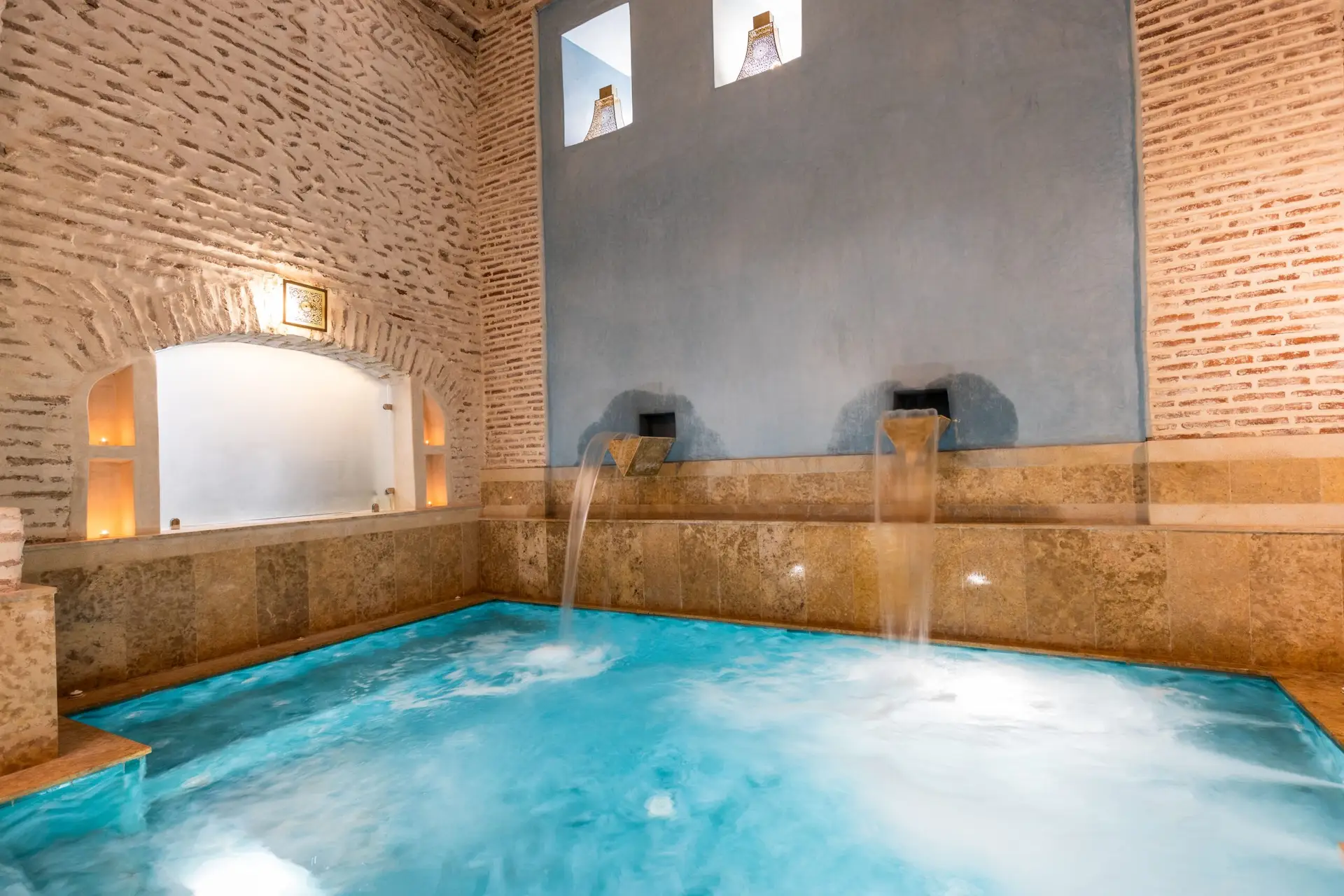
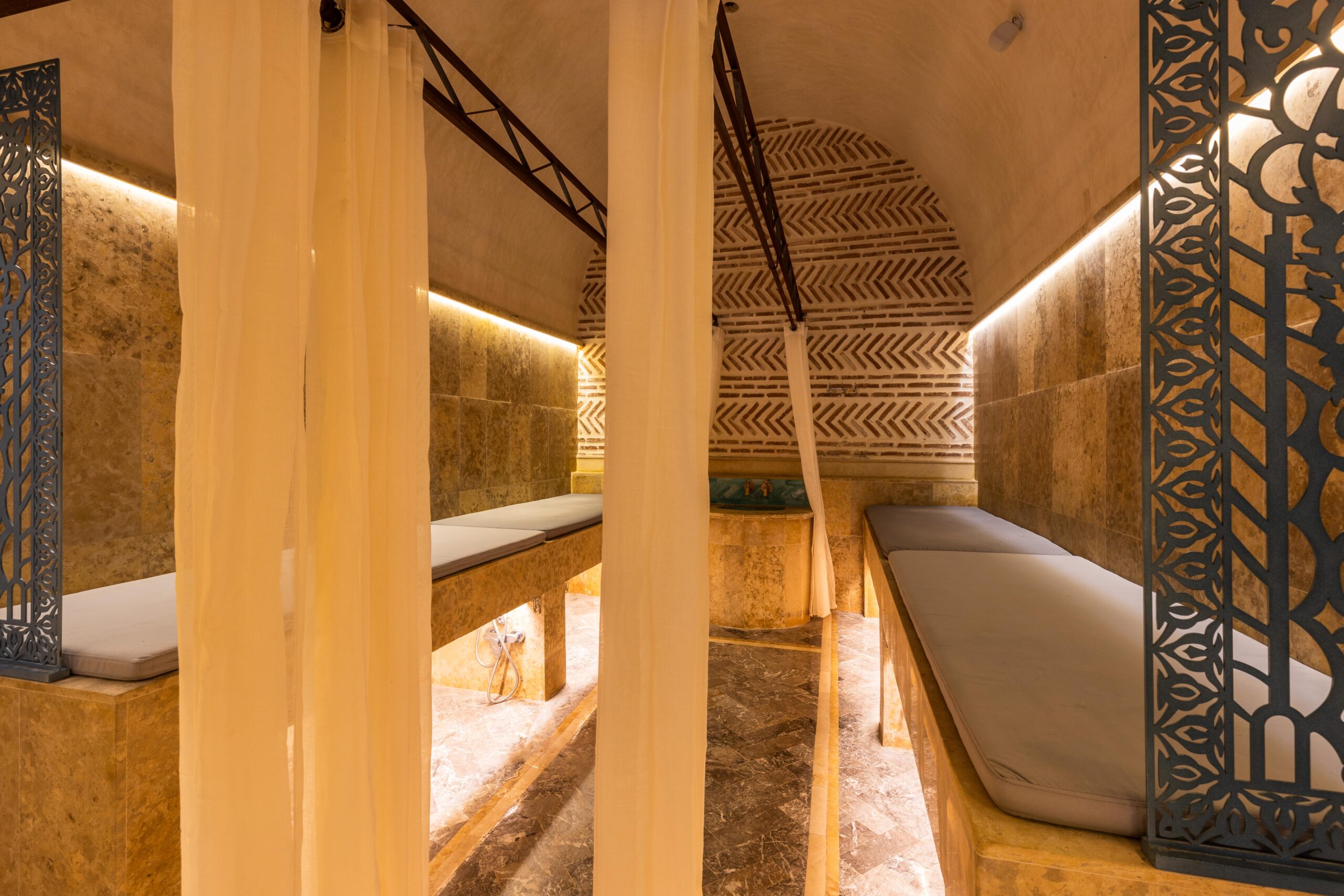
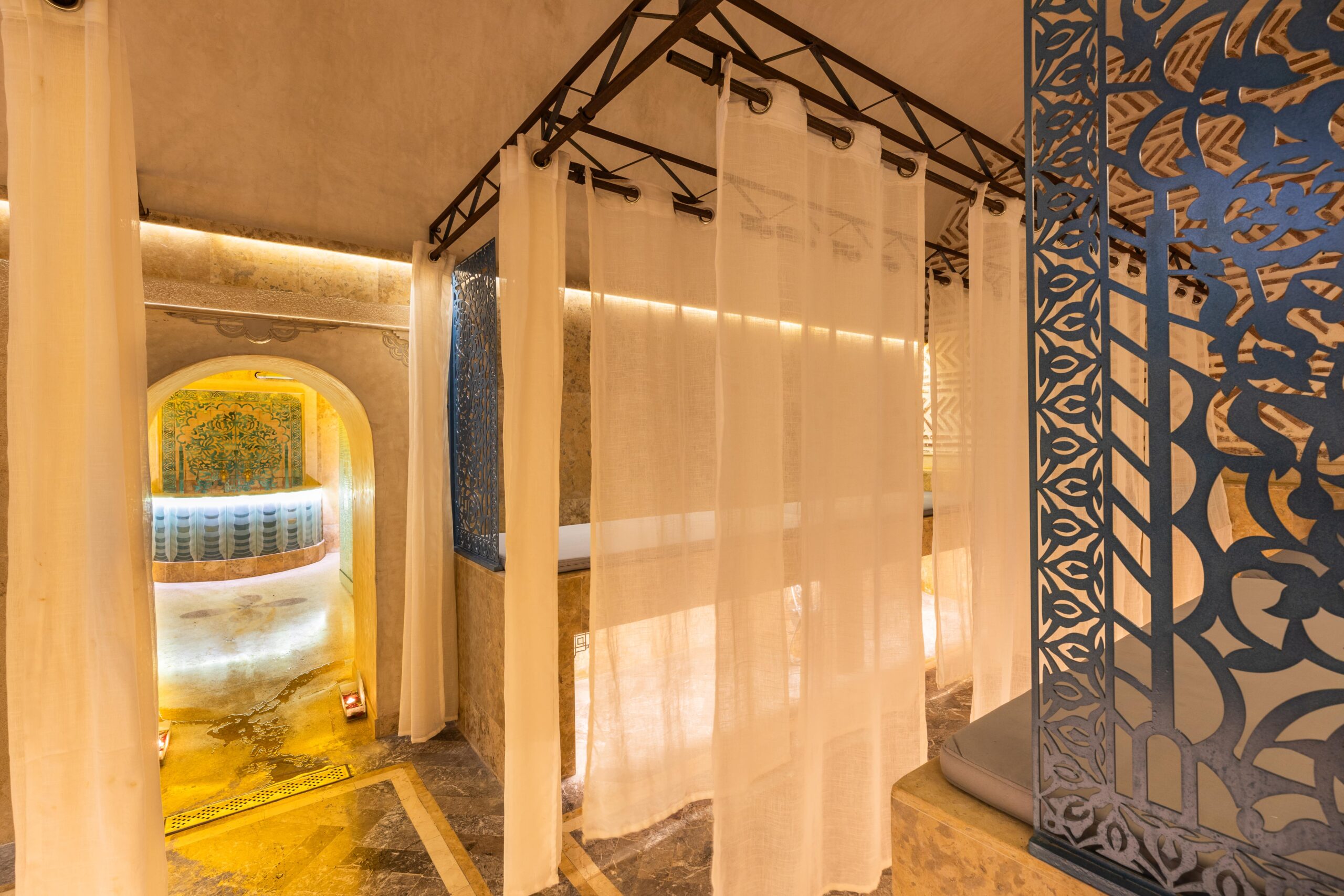
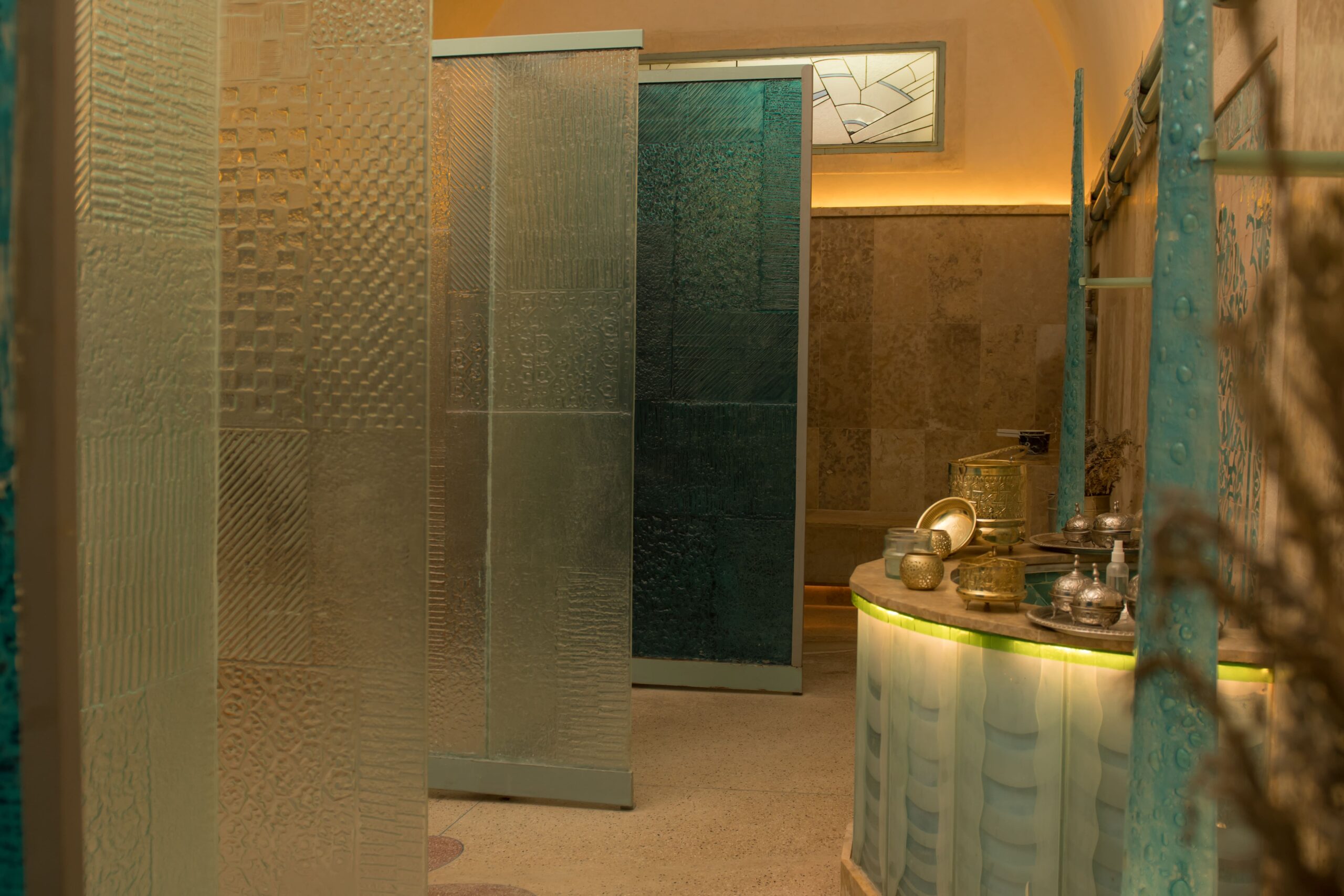
Fotos: lesbainskenaria.com
Gleich nebenan
Henna Art Cafe, Derb Sqaya: natürliches Henna von ausgebildeten Henna-Künstlerinnen, ausgesucht aus über 150 Motiven, mit einem kleinen Café.
- Unsere Freunde haben es hier machen lassen und würden wieder hingehen: Das Henna ist natürlich, anders als das schwarze Henna auf dem Platz
- Fünf Minuten zu Fuss vom Hammam
Abendessen
Al Fassia, Guéliz: eine Institution in Marrakesch seit 1987, ganz von Frauen geführt, in der Küche wie im Speisesaal.
- Ein, zwei Tage vorher reservieren; dienstags geschlossen
- Der Essenstipp unserer Freunde für die ganze Reise: Wo immer du sie siehst, bestell die Hühner-Tajine mit eingelegter Zitrone und Oliven
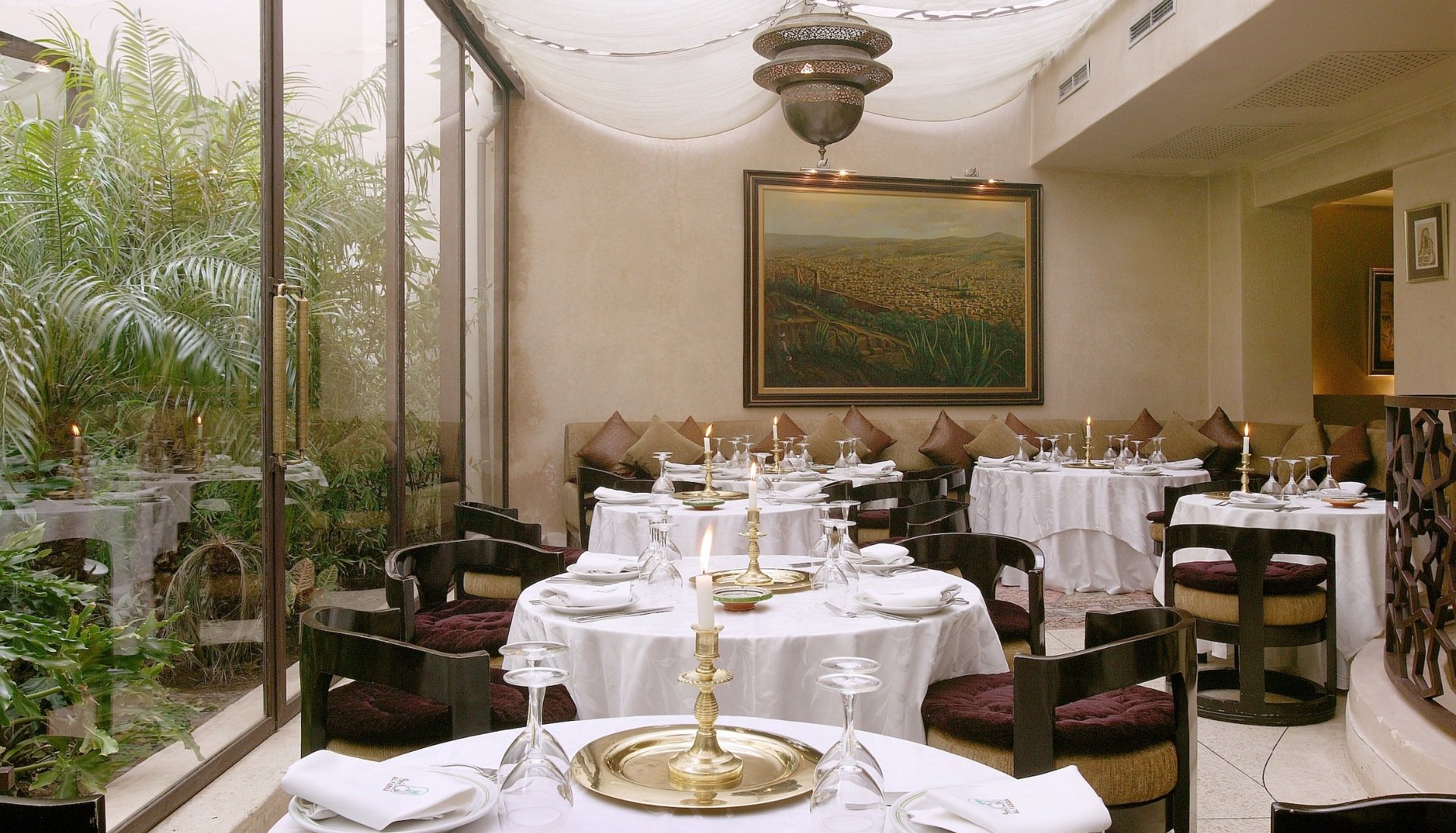
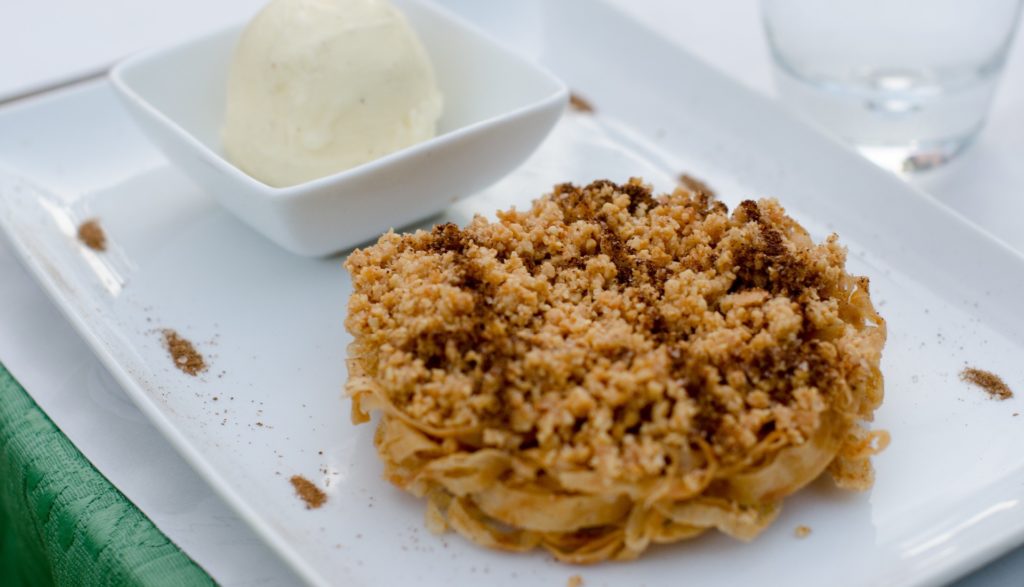
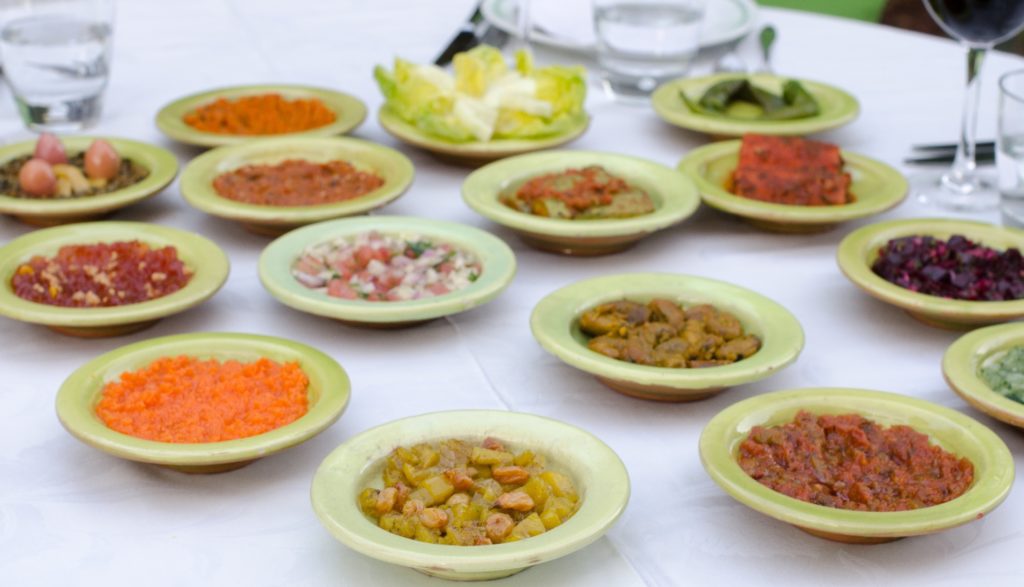
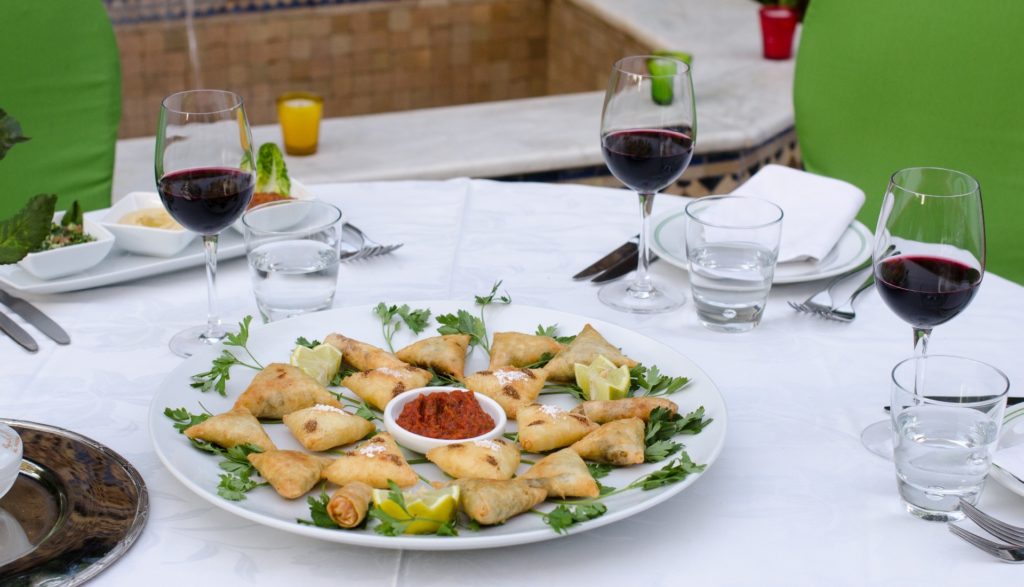
Fotos: alfassia.com
Day 3 · The High Atlas
A day on foot in the villages under Toubkal
Getting there
An hour and a half by car from Marrakech to Imlil, the village at the end of the road below Jbel Toubkal.
The walk
A loop from Imlil through Aroumd, the highest village in the valley, with a local mountain guide: four to five hours on mule paths, past walnut terraces and flat-roofed Berber houses.
- Book the guide through the guides' office in Imlil or through the riad
- In May the high peaks still carry snow, while the valley is green and warm
- Stronger walkers can add the pass of Tizi n'Mzik for a longer, steeper day
Toubkal
At 4,167 metres, Jbel Toubkal is the highest mountain in North Africa. The summit takes two days from Imlil, with a night in the mountain refuge: worth it if you are fit and have time to add a day.
Lunch
Lunch on a terrace above the valley, with Toubkal in front of you, then the drive back to Marrakech for the evening.
Or, a slower day
A cooking workshop at La Maison Arabe: three hours at your own station, learning a tajine, salads and bread, then eating what you made.
- Starts at 10:00 or 15:00
Day 4 · Over the Atlas
The Tichka pass, Aït Benhaddou and the Valley of Roses
On the road
A private driver from here to Fes, over five days. Today is the longest stretch south: about seven hours with the stops, leaving at 07:30.
- The road climbs to 2,260 metres at the Tizi n'Tichka pass, then drops into a different country of red earth and kasbahs
The morning
Aït Benhaddou, the fortified village of mud brick on the old caravan route, a UNESCO World Heritage site.
- Leaving early puts you there before the day tours from Marrakech
- Climb to the granary at the top for the view over the river
On the way
Kasbah Amridil, Skoura: a 17th-century kasbah in the palm grove, still owned by the family that built it, with its old olive press and bread oven.
Where you're staying
Dar Blues, Aït Oudinar: a small family guesthouse of earth and stone in the Dades valley, with dinner cooked in the house.
- Our friends' favourite stay of the trip, and the one place we kept as it was
Why May
The Valley of Roses, on the road to Dades, blooms in May, and the town of Kelaat M'Gouna holds its rose festival around the middle of the month. The air smells of rose water as you drive through.
Day 5 · The Dades valley
Walking down the valley to the Monkey Fingers
The walk
From Aït Oudinar to the Monkey Fingers: three to three and a half hours down the east side of the valley, past ruined kasbahs, then into a narrow canyon between rock towers that look like knuckles.
- It starts at the guesthouse door; the house can send someone from the village with you
- Inside the canyon you climb over boulders, so wear shoes with grip
- Men at the canyon entrance will offer to guide you: a polite no is enough
Late afternoon
A short drive up the switchbacks at the head of the gorge, for mint tea on a terrace above the road as the light goes gold.
Höhepunkt der Reise
Ein Morgen am Fels, ein Abend in den Dünen
Der Vormittag
Klettern in der Todra-Schlucht, mit einem lokalen Guide von Aventures Verticales Maroc, dem Kletterladen am Eingang der Schlucht: ein halber Tag an 300 Meter hohen Kalkwänden.
- Über 450 eingebohrte Routen, und manche beginnen direkt an der Strasse, so dass auch komplette Anfänger schon am ersten Morgen klettern
- Der Guide bringt Seile, Gurt und Helm mit und zeigt euch, wie ihr euch gegenseitig sichert
- Früh losgehen: Bis zum späten Vormittag liegt die Schlucht im Schatten und der Fels ist kühl


Fotos: Wikimedia Commons (Bjørn Christian Tørrissen, CC BY-SA 3.0; Jon Lean, CC BY-SA 2.0; gailhampshire, CC BY 2.0)
In die Wüste
Etwa drei Stunden auf der Strasse über Tinejdad und Erfoud nach Merzouga, dann mit dem 4x4 über den Sand zum Camp.
- Plane, im Mai gegen 18:00 im Camp zu sein, damit du den Sonnenuntergang von den Dünen aus siehst und nicht vom schaukelnden Kamel
Achte auf den Mond
Der Vollmond macht die Dünen fast taghell und verdeckt die meisten Sterne. Wenn dir der Nachthimmel wichtig ist, schau in den Mondkalender, bevor du die Daten festlegst: am besten eine Woche vor oder nach Neumond.
Hier übernachtest du
The White Camel Acacia, das private Camp von Merzouga Luxury Desert Camps: fünf Zelte in den Dünen des Erg Chebbi, jedes mit eigenem Bad und einer Terrasse zum Sand.
- Fünf Zelte statt eines grossen Camps: ruhige Nächte und keine Gruppenshow am Feuer
- Abendessen und Frühstück sind inbegriffen; das Camp hat Strom und Klimaanlage


Fotos: merzougaluxurydesertcamps.com
Day 7 · Erg Chebbi
Sunrise from the top of a dune, Gnawa music in Khamlia
At first light
Up the big dune behind the camp before sunrise: half an hour of hard walking in soft sand, then the whole of Erg Chebbi turning orange below you.
- Barefoot is easier than shoes on the way up
- Sandboarding is offered everywhere: go slowly and sitting down at first, because the sand is harder than it looks when you fall
Where you're staying
Dar Morocco, Ksar Tanamouste: twelve rooms of tadelakt and zellige at the edge of the dunes, with a pool and a terrace that looks straight onto the sand.
- One night in the camp and one in a hotel with a pool is what people who know the area recommend
The afternoon
Khamlia, a village a few kilometres south, home to Gnawa musicians whose families came across the Sahara from West Africa generations ago.
- They play in a house in the village over tea; there is no ticket, leave a tip
- Back at the hotel in time for the pool and the sunset from the terrace
Day 8 · North to Fes
The Ziz valley, the cedar forests and the Middle Atlas
On the road
The one long day left: about eight hours with stops, from the desert to Fes.
- North along the Ziz valley, a ribbon of palm groves in a red canyon
- Lunch in Midelt, then through the cedar forests near Azrou, where Barbary macaques sit by the road
- Arrive in Fes for dinner at the riad
Where you're staying
Riad Laaroussa, Fes el Bali: a 17th-century palace in the old medina, with an orange-tree courtyard, a heated pool, its own hammam and a roof terrace over the city.
- It also runs cooking classes for guests, with a visit to the market first
Day 9 · Fes
The medieval medina, the tanneries and the view from Borj Nord
The morning
Fes el Bali with a guide from the riad, about four hours: the Bou Inania madrasa, the Al-Attarine madrasa, the copper and leather souks and the Chouara tannery from a terrace above the dye pits.
- Without a guide, Fes is the one medina where you really will get lost
- Anyone offering a "free view" of the tanneries is taking you to a leather shop: with your guide you choose the terrace
- The shop gives you a sprig of mint for the smell; take it
Sunset
Borj Nord, the old fortress on the hill above the medina, for the view over thousands of rooftops as the calls to prayer start.
Dinner
Dar Hatim: a family restaurant in their own house in the medina, under a ceiling of tiny mosaic tiles.
- Order the chicken pastilla, sweet and savoury, the dish Fes is known for
- Call ahead and someone from the family will walk you there from your riad
Day 10 · Volubilis
A Roman city in the hills, and a last evening on the roof
The morning
Volubilis, about an hour from Fes: the ruins of a Roman town among olive groves, with mosaic floors still in place in the houses.
- Go for the opening, before the heat and the coaches
- On the way back, stop in the holy town of Moulay Idriss on the next hill for mint tea with a view
The afternoon
The hammam at the riad, or its cooking class, and a last dinner on the roof terrace above the medina.
Day 11 · Home
From Fes, without driving back to Marrakech
Getting home
Fes airport is twenty minutes from the medina, with direct flights to several European cities, including Switzerland on some days of the week.
- Flying into Marrakech and home from Fes usually costs about the same as a return, and saves a full day in the car
Diese Reise planen
Wir gehen von dieser Reise aus und passen sie an deine Daten, deine Gruppe und dein Tempo an. Nichts davon ist ein festes Paket.
Diese Reise planen Weitere Reisen ansehen